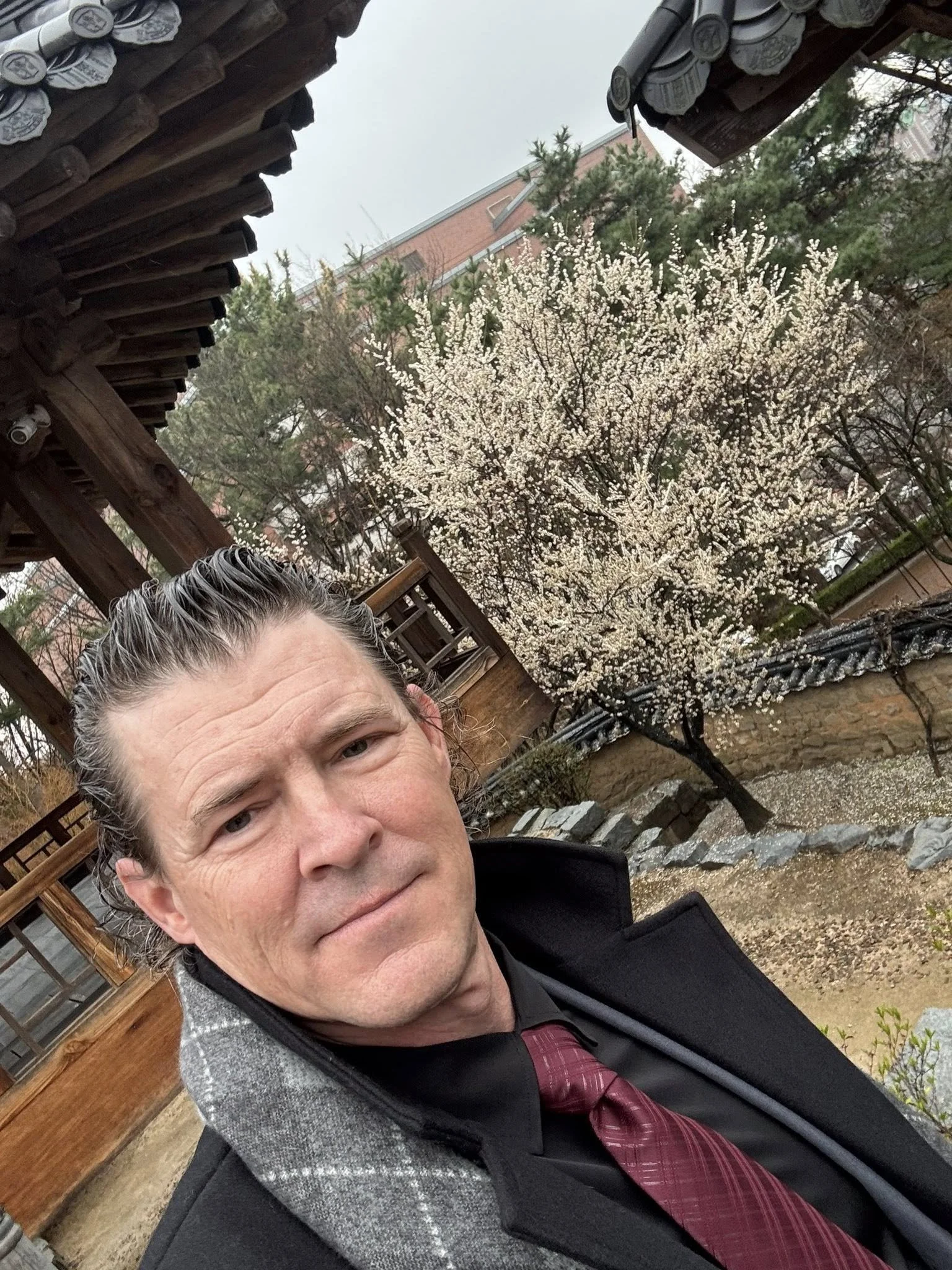
About Matt Robinson
I have always been interested in how people grow.
That interest has taken me through some very different worlds… football fields and classrooms, art markets and research projects, universities in Texas and experiences around the world.
The settings have changed. The question has remained remarkably consistent:
How do people become more than they believed they could become?
That question sits at the center of my work as an educator, researcher, leader, and writer. It also sits at the center of Unapologetic Leadership.
What I’ve Come to Believe
Leadership exists to develop people.
People grow through meaningful challenge. They grow when they are trusted with responsibility, held to meaningful standards, connected to something larger than themselves, and given opportunities to discover what they are capable of.
Leaders help create those conditions.
That belief has emerged not from one career or one theory, but from a lifetime of experiences that have continually challenged my own understanding of leadership, growth, and human potential.
Leadership, Growth, and Meaningful Pursuit
I have always been drawn to environments that challenge people to grow.
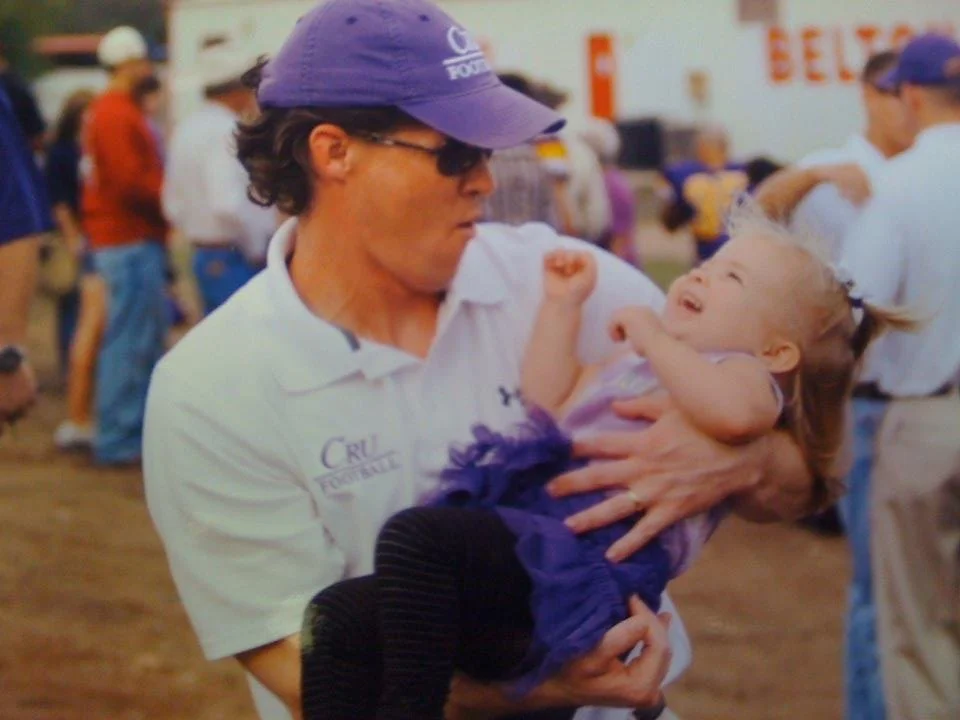
Growing up in Holliday, Texas, as the son of a high school football coach and athletic director, I was introduced early to leadership, responsibility, competition, and the influence culture can have on people and organizations. Many of the ideas that continue to shape my thinking about leadership, standards, teamwork, and human development were first observed in locker rooms, practice fields, and small-town communities built around shared pursuit.
Coaching, Culture, and Performance
Before entering higher education, I spent 15 years coaching college football, including time at Northwest Missouri State University during a Division II National Championship season and later serving as Offensive Coordinator at University of Mary Hardin–Baylor during a period of national-level success.
Coaching taught me lessons that continue to shape my philosophy today: the importance of accountability, preparation, role clarity, discipline, trust, and shared mission. High-performing cultures are rarely accidental. They are built intentionally through standards, relationships, meaningful responsibility, and collective belief.
Those experiences also revealed something deeper: people are often capable of far more than they initially believe when they are challenged, trusted, and connected to a meaningful mission.
Reinvention Through Creativity
After stepping away from coaching, I found renewal through art and creativity, building a small art business and participating in handmade markets throughout Texas.
That season of life taught me different lessons: creativity, uncertainty, vulnerability, reinvention, and authentic human connection. Art challenged me to take risks, embrace imperfection, and rediscover identity beyond achievement and performance.
Looking back, creativity and leadership are deeply connected. Both require courage, experimentation, trust in process, and the willingness to continue moving forward without certainty.
Scholarship, Leadership Development, and Experiential Learning
Those experiences eventually led me to pursue a PhD at Baylor University where my research focused on servant leadership and social effectiveness (political skill), exploring how leaders build trust, navigate complexity, and shape organizational culture.
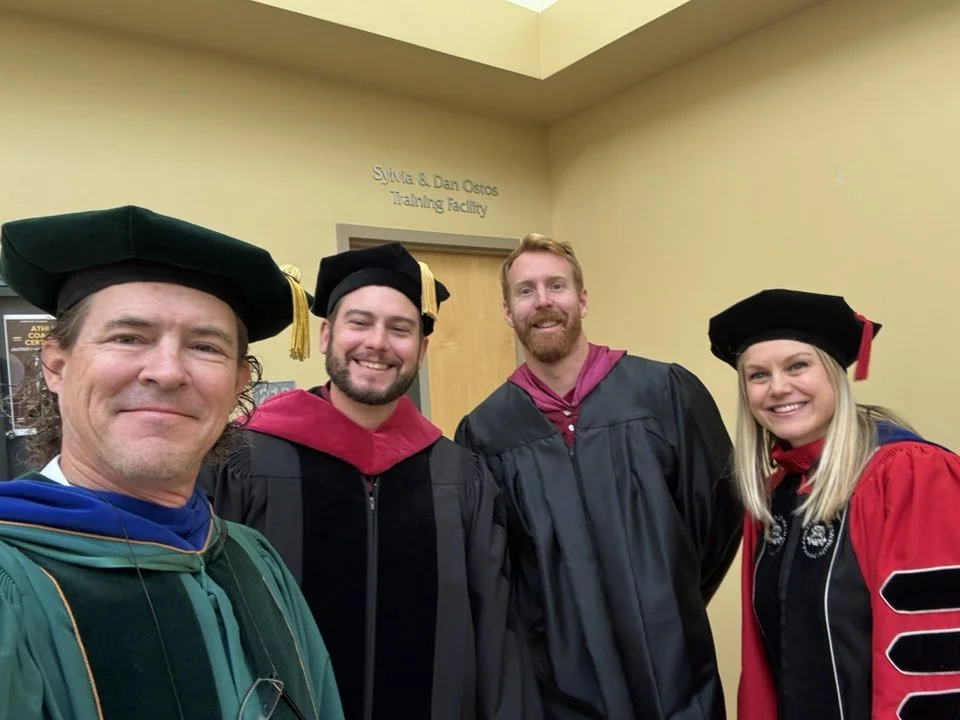
Today, I serve as Division Director for Education, Health, and Human Performance and Associate Professor of Exercise Science and Sport Management at Schreiner University.
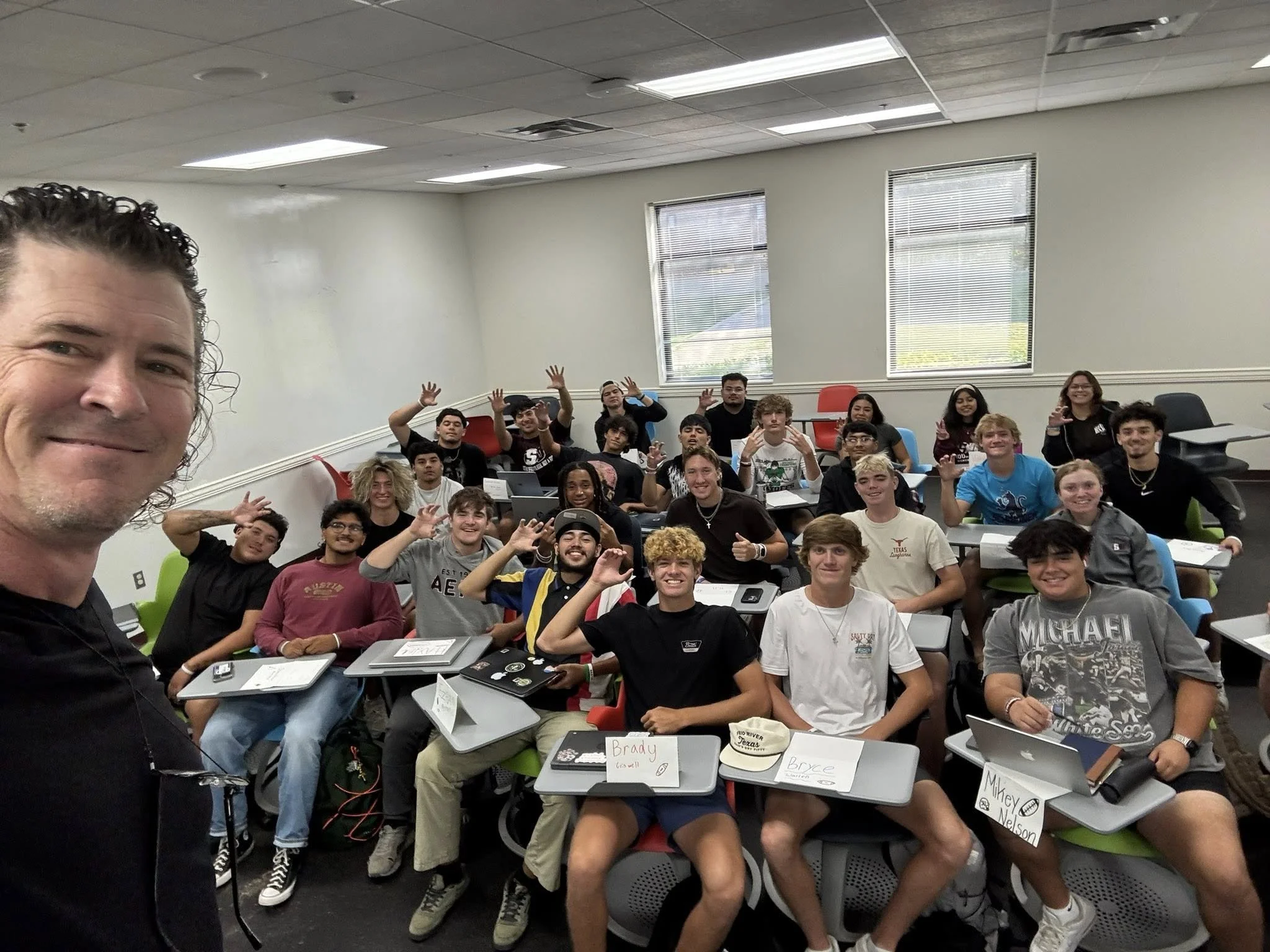
My work centers on leadership development, organizational culture, experiential learning, and human growth. I believe there is no substitute for responsibility and lived experience in developing capable leaders. Through internships, service-learning, international education, applied projects, and leadership initiatives, I aim to create learning environments where students are challenged, trusted with meaningful responsibility, and given room to discover what they are capable of.
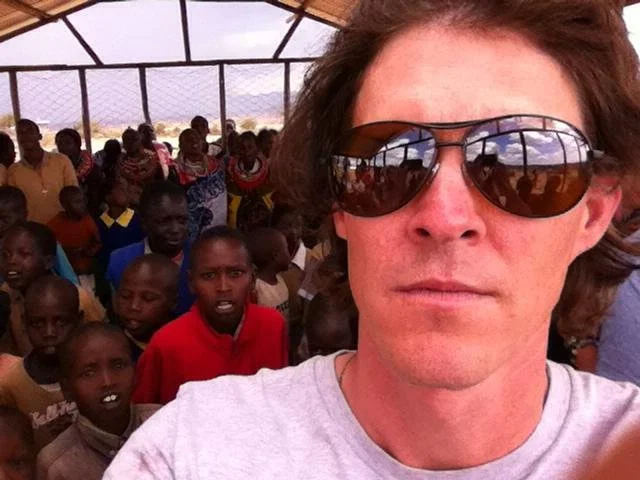
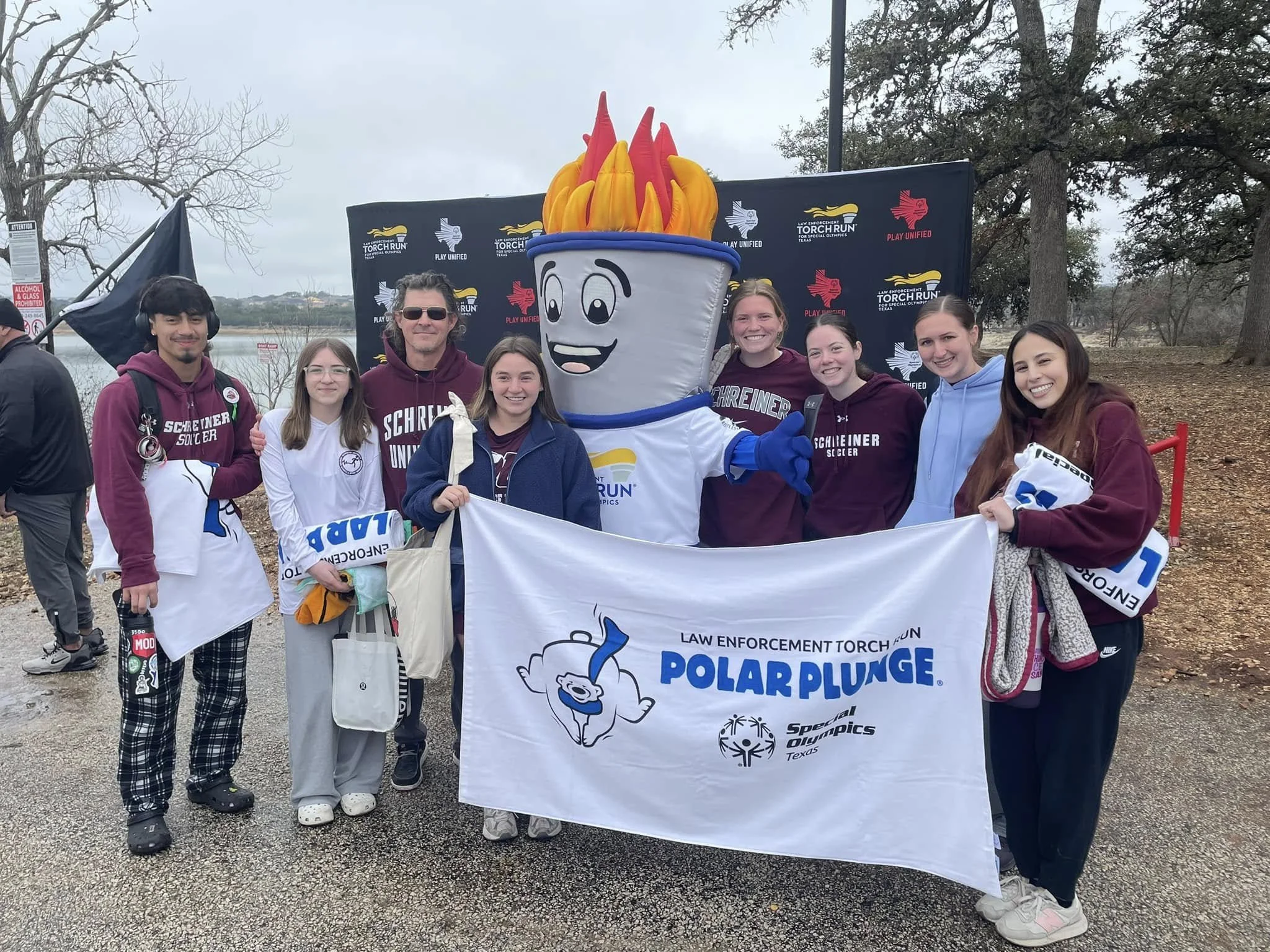
Experiences with Special Olympics and international education have extended that philosophy beyond the traditional classroom. Whether students are leading our annual Unified Field Day with Special Olympics or navigating unfamiliar environments together in South Korea, I have seen how meaningful challenge, shared responsibility, and trust can become powerful catalysts for growth.
Future Systems and Human Development
I also maintain a growing interest in artificial intelligence, blockchain technology, and future systems, particularly how emerging technologies are reshaping leadership, organizations, education, finance, and human interaction.
As technology continues transforming the systems around us, I am increasingly interested in a distinctly human question: What capabilities will people need to develop to thrive in the world ahead?
That question connects my interest in emerging technology to the larger focus of my work: human development, meaningful challenge, creativity, responsibility, and our capacity to continually develop.
Across all of these experiences, one conviction has become increasingly clear:
Leadership exists to develop people.
Results matter. Excellence matters. So do standards, accountability, and performance. But these responsibilities do not compete with human development. At its best, leadership brings them together, creating environments where people are challenged to grow while pursuing meaningful work with others.
That is the work I continue to pursue.
Life Beyond Work
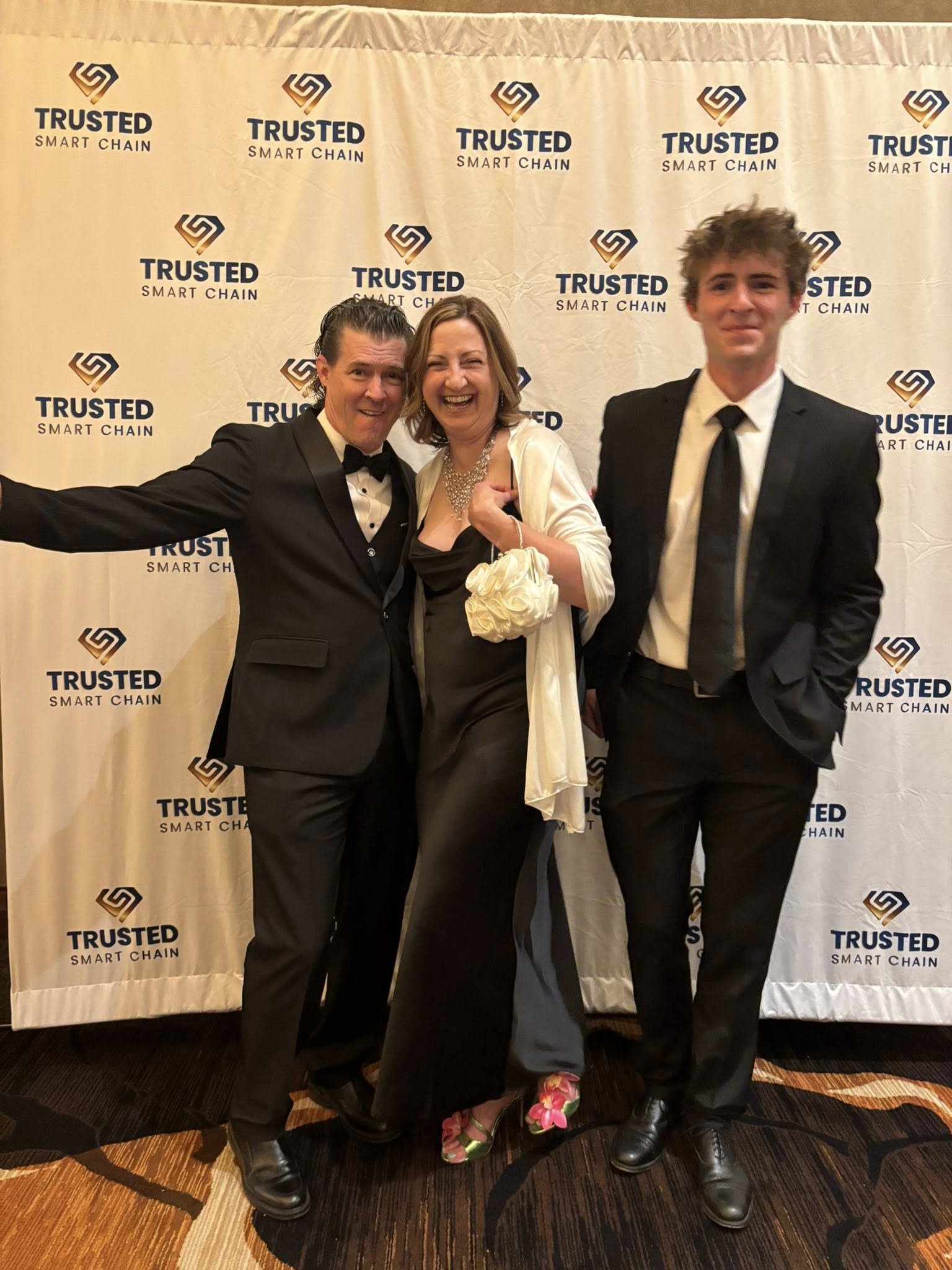
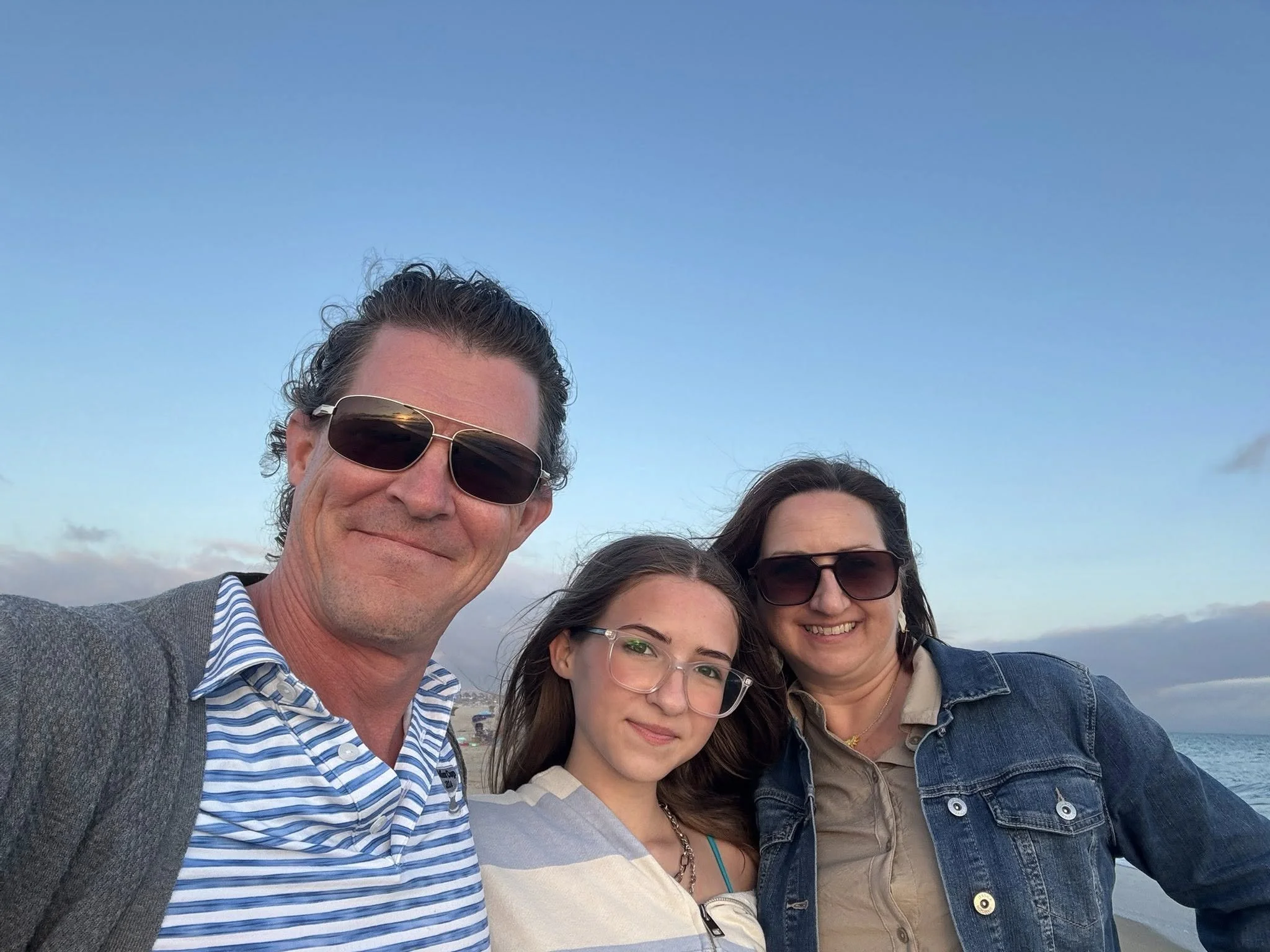
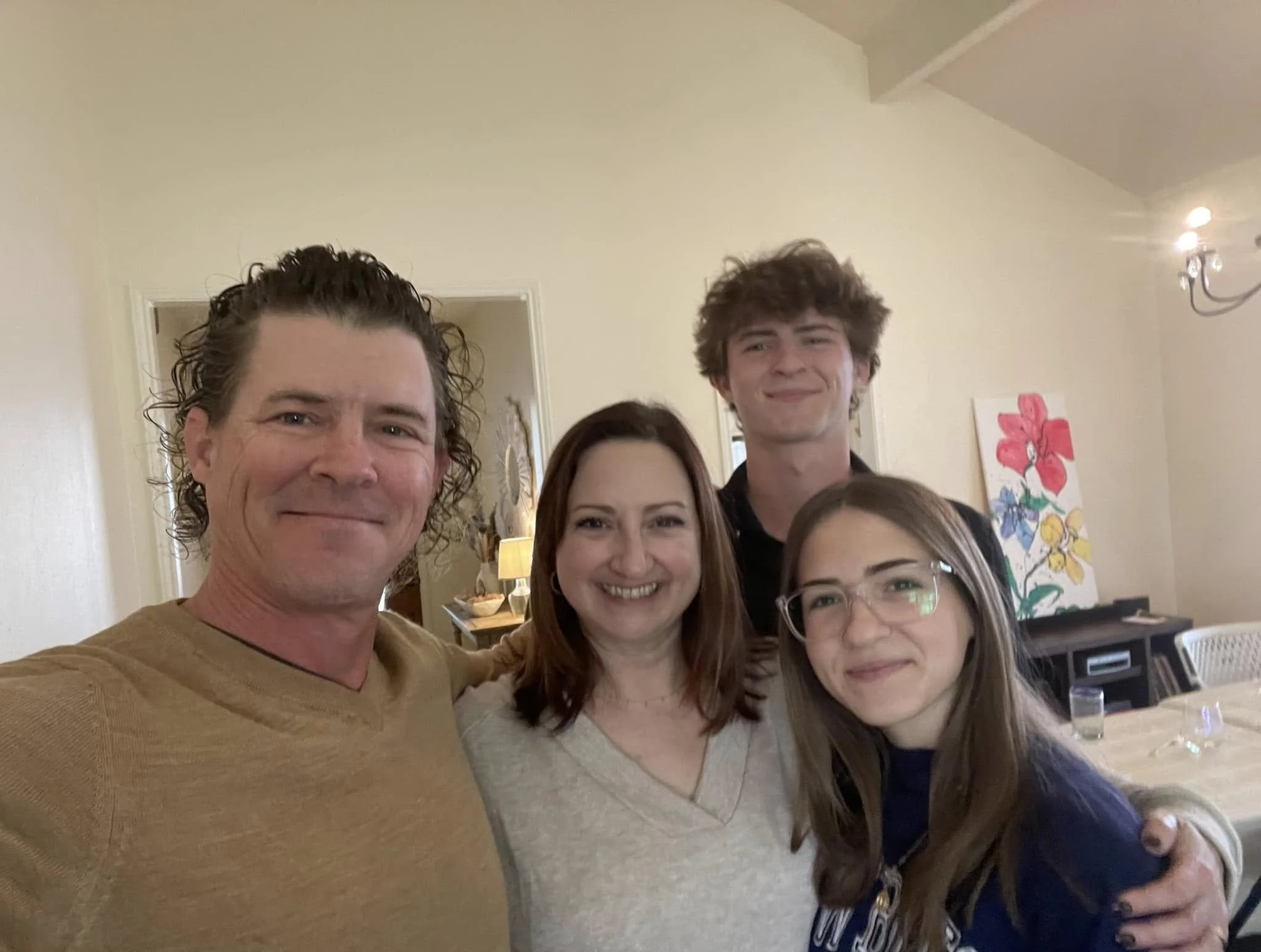
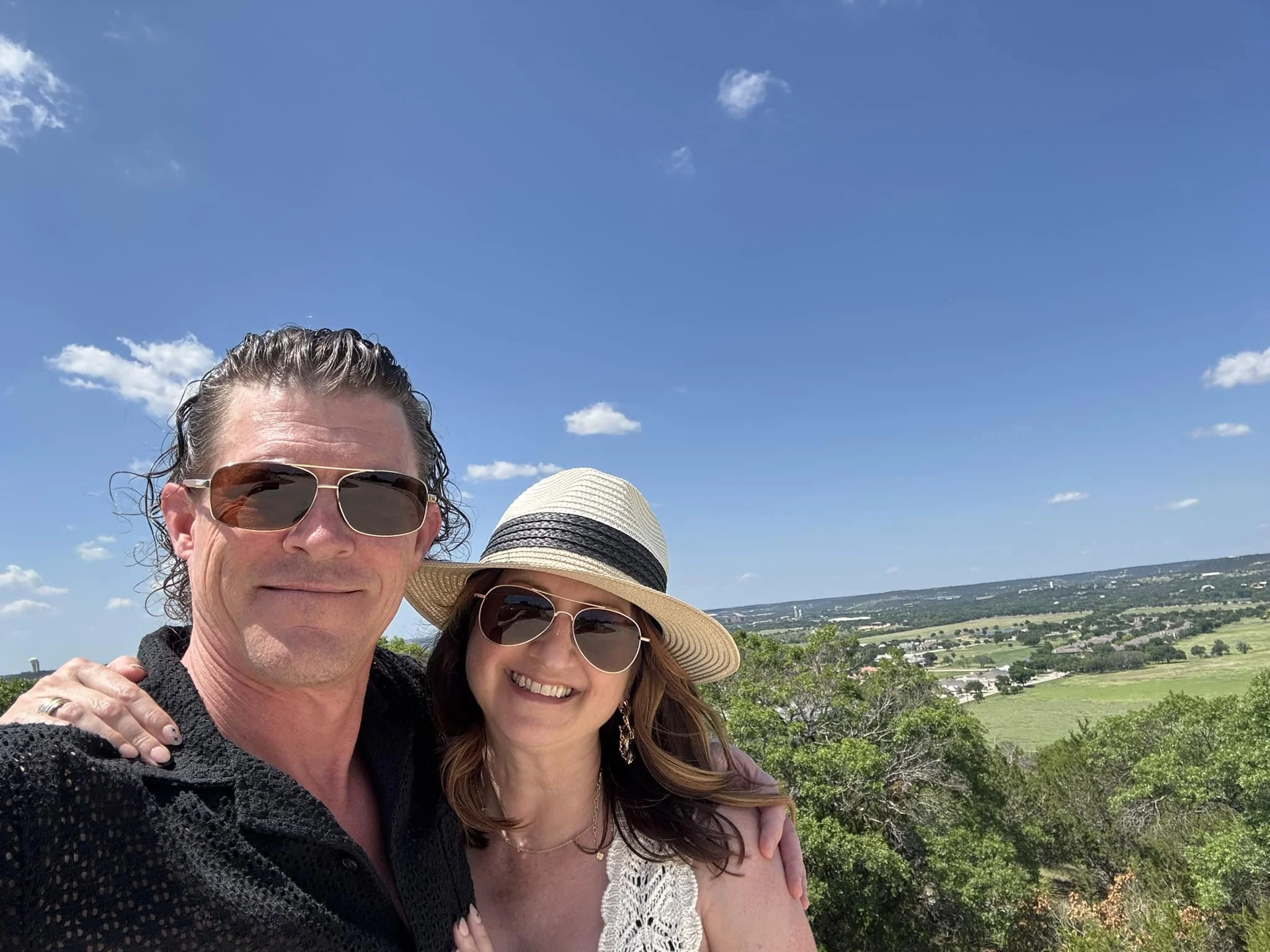
Outside of my professional work, I value family, growth, creativity, and meaningful shared experiences. My wife Michelle and I will celebrate 30 years of marriage in June 2026, and we are proud parents of two children currently pursuing their own paths in engineering, academics, athletics, and personal growth.




Research Interests and Select Publications
My research interests include servant leadership, organizational culture, political skill and social effectiveness, experiential learning, leadership development, and service-learning. Across these themes, I am interested in how leaders and organizations create cultures that foster trust, commitment, growth, and meaningful engagement.
Robinson, G. M., Neubert, M. J., & Miller, G. (2018). Servant leadership in sport: A review, synthesis, and applications for sport management classrooms. Sport Management Education Journal, 12, 39-56.
Robinson, G. M., Magnusen, M., Kim, J. W. (2018). The socially effective leader: Exploring the relationship between athletic director political skill and coach commitment and job satisfaction. International Journal of Sport Science and Coaching, 14(2), 197-204.
Robinson. G. M., Magnusen, M. J, Neubert, M. J., & Miller, G. (2020). Servant leadership, leader effectiveness, and the role of political skill: a study of interscholastic sport administrators and coaches. International Journal of Sport Science and Coaching, 16(2), 291-303.
Robinson, G. M., Magnusen, M, & Miller, G. (2020). Political Skill for Sport Professionals; Theory, Research, and Career Success Implications. Journal of Applied Sport Management, (2)12, 15-25.
Robinson, G. M., Kim, J., Magnusen, M, & Neubert, M. (2021) Win-At-All-Costs? Exploring Bottom-line Mentality as a Buffer between Athletic Director Servant Leadership and Coach Commitment. Journal of Applied Sport Management, 13(1), 10-18.
Robinson, G. M., & Magnusen, M. J. (2024). Developing Servant Leadership through Experience and Practice: A Case Study in Service Learning. Behavioral Sciences, 14, 801-816.